
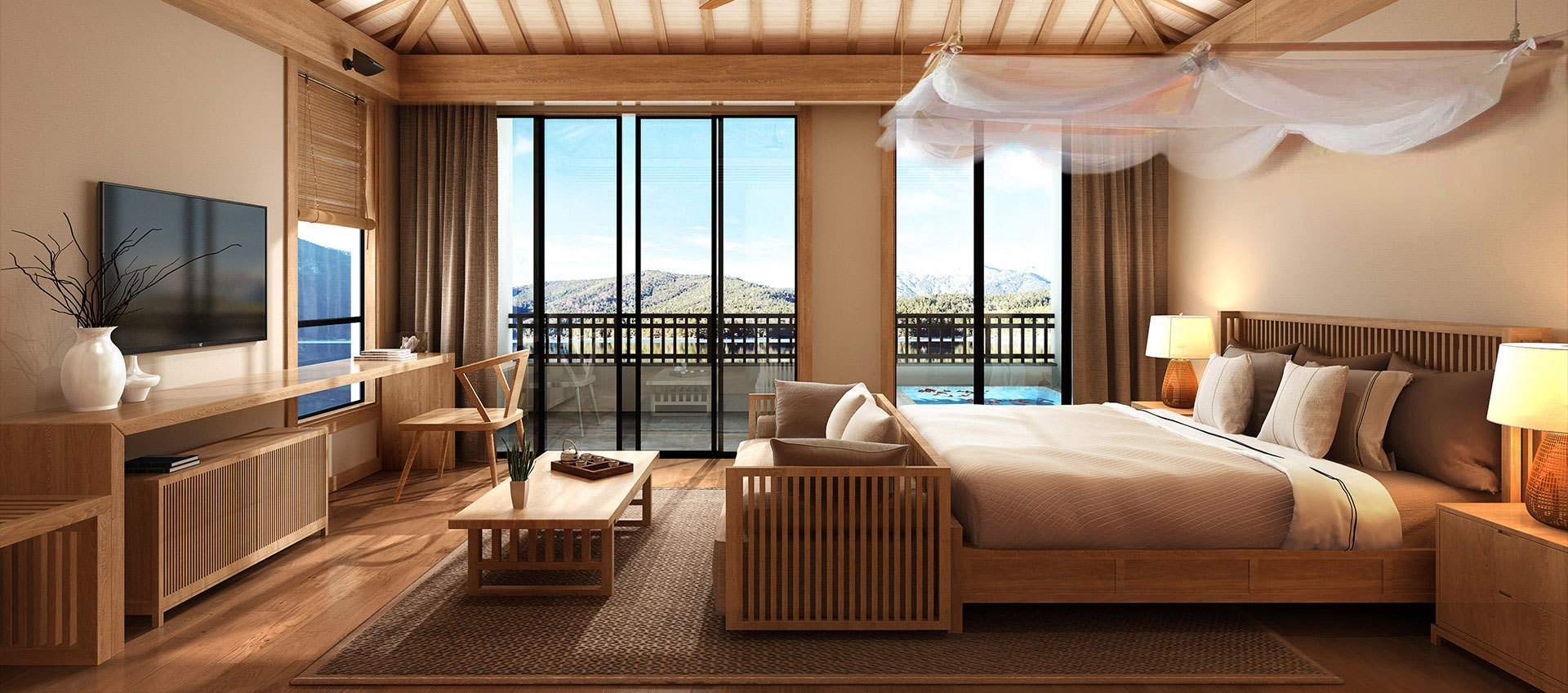
From lacquer and tung oil to paints and water-based paints, furniture coatings have been through it all!
Release time:
2023-11-08 21:17:48
Lacquer (lacquer) has a very long history, archaeologists in the Hemudu site found a lacquer (sound xiu, refers to objects painted) lacquer wooden bowl, more than 7,000 years ago.
I: Origin of Lacquer
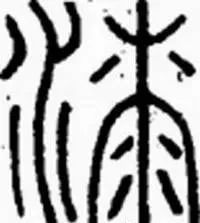
Seal Script Writing of the Character Lacquer
Lacquer (lacquer) has a very long history, archaeologists in the Hemudu site found a lacquer (sound xiu, refers to the objects painted) lacquer wooden bowl, more than 7,000 years ago. According to historical data, in the Neolithic period, the ancients had already recognised the performance of lacquer and used it to make tools. The composition of the character "lacquer" can also be proved: lacquer comes from the lacquer tree (sumach, lacque tree), and all the Chinese characters for the name of the tree are from the wood side, such as: pine, cypress, zelkova, poplar and so on, but only the character "lacquer" from the water.
This is because the sap from the trunk of this tree is called "chui": the upper part is from wood, the middle part is from man, and the lower part is from water, which figuratively shows the connection between lacquer tree, man and lacquer. There is a saying in Zhuangzi: "Lac is available, so I cut it", which is the earliest record in China about the harvesting and cutting of raw lacquer.
II: Lacquer and lacquer trees
Lacquer (Chinese lacquer; japan; Japanlac), also known as natural lacquer, raw lacquer, earthenware lacquer, and national lacquer. In the past, people did not know the chemical principles that underlie the production of lacquer, but mastered the mystery of lacquer through constant observation and practice. The natural secretion of lacquer from the lacquer tree would form a black shiny lacquer film after being exposed to sunlight, which attracted the attention of the ancient people, and they thought about how to make use of it. Slowly, people learnt to collect more lacquer from the lacquer tree and brushed it on the objects, which became the original lacquerware.
Artificial cultivation of the lacquer tree came into being, "Poetry" recorded: "set the square in the middle, made in the Chu Palace, the premise to say, made in the Chu room, the tree of hazelnut, chestnut, tung, catalpa, lacquer," indicating that in the pre-Qin period, the lacquer tree has become a kind of economic tree species.
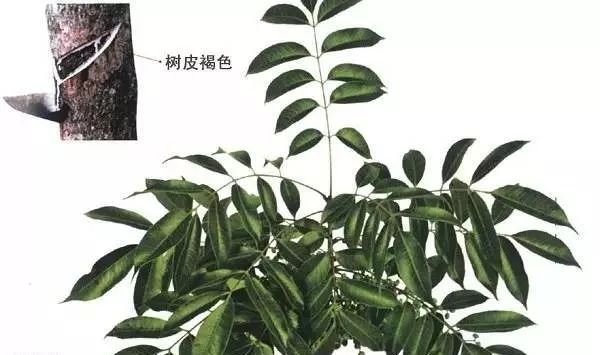
Characteristics of lacquer trees
The lacquer tree is a deciduous tree that can reach a height of 20 metres. It has oval-shaped leaves and yellow-green flowers in early summer and flat spherical fruits in autumn. Lacquer trees are widely distributed in China, with the provinces surrounding the Sichuan Basin being the centre of their distribution, as these areas have a temperate climate that is very suitable for their growth.
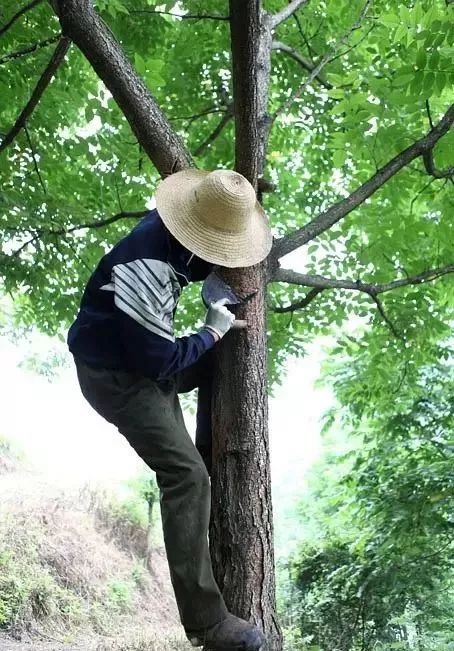
This is a small wood lacquer grown by hand, and cutting the lacquer requires climbing a tree.
Lacquer trees over eight years old can produce lacquer. Lacquer farmers cut the bark of the tree with mussels, insert the mussel shells or bamboo blades underneath the cuts, and the collected lacquer sap is remitted into wooden barrels and then sealed and preserved with greaseproof paper. The natural lacquer sap cut from the lacquer tree is called raw lacquer, while cooked lacquer refers to the raw lacquer that has been oxidised by sunlight, stirred and mixed with tung oil.
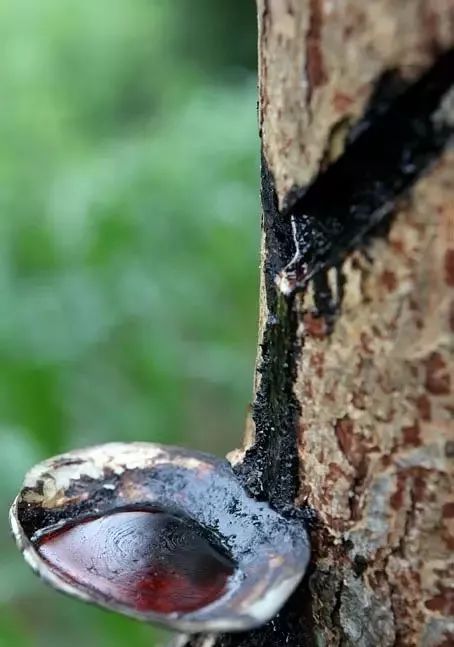
The lacquer, which had been running for about two hours, had turned from a creamy white to a chestnut shell colour.
The main component of lacquer is lacquer phenol, and there are also gum, nitrogen, water and trace volatile acid, etc. The lacquer just cut is milky white and thick, and the oxidised colour slowly becomes darker after contact with air, and finally becomes chestnut shell colour. Raw lacquer is very difficult to be adjusted into bright colour lacquer, because raw lacquer itself is deep in colour, pigment added to it, it is easy to be conquered by the original colour of raw lacquer, so most of the ancient lacquer ware is black, vermilion two colours.
RELATED INFORMATION

2023-11-08

2023-11-08

2023-11-08
SunnySide is willing to work hand in hand with colleagues in the community to add luster to the furniture industry
Leave your contact information and we will contact you within 24 hours.
Guangdong SunnySide Furniture Co., Ltd.
Factory address: Longgao Road, longjiang town, Shunde District, Foshan City, Guangdong Province, 800 meters to the right side of Gaoming
Telephone: +8613516542060
Telephone:+86757-86401265